Respecting what makes an older home special
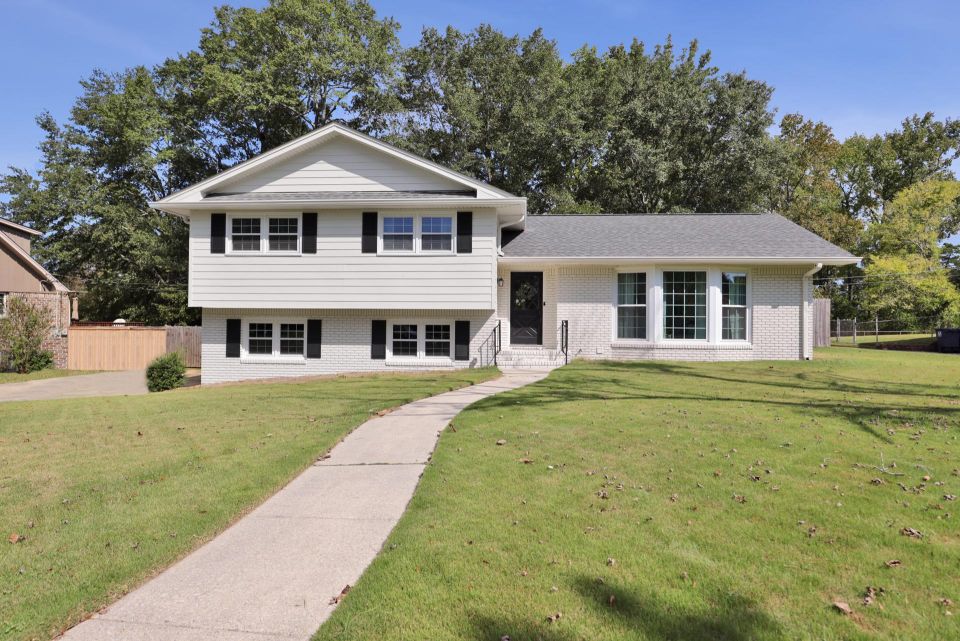
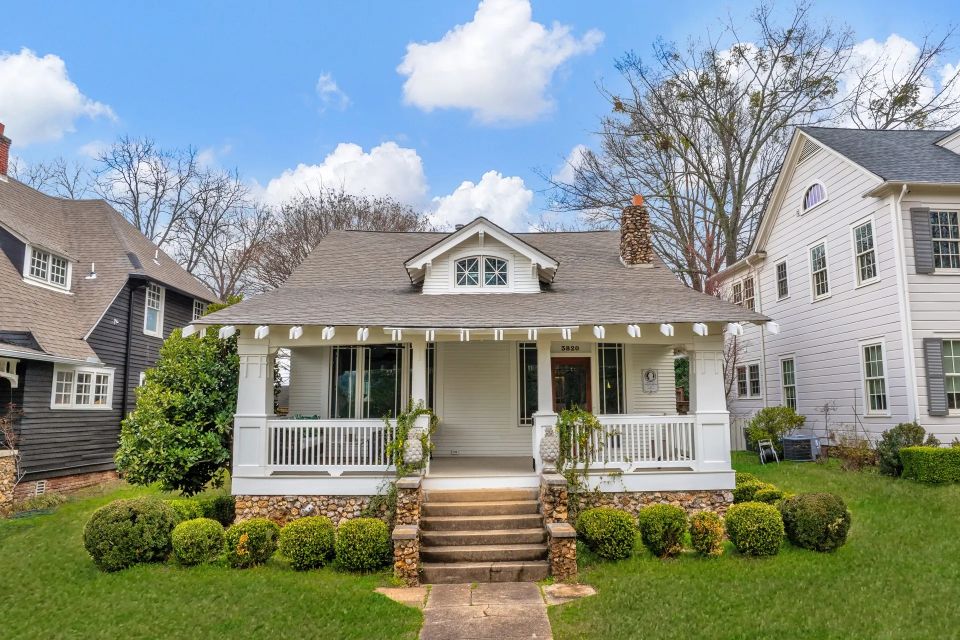
Craftsman bungalows in Forest Park and Crestwood, early 1900s homes in Southside and Highland Park, 1920s Tudors and Colonials in Mountain Brook and Redmont Park – these houses were built with heart pine floors, real plaster, solid wood doors and millwork that took a craftsman days to make. A good renovation keeps as much of that as possible and makes every new piece look as if it belonged there from the start.
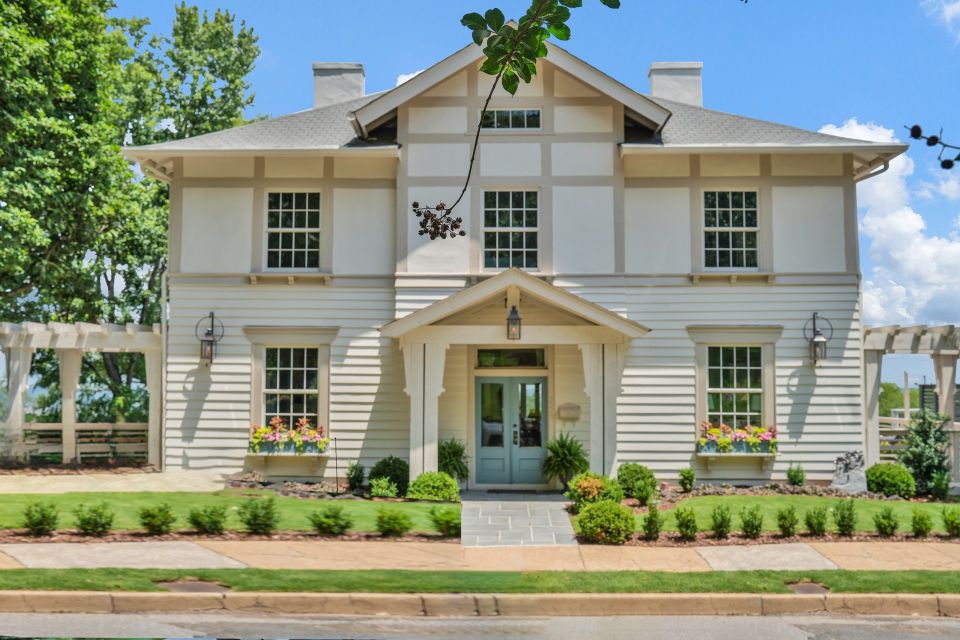
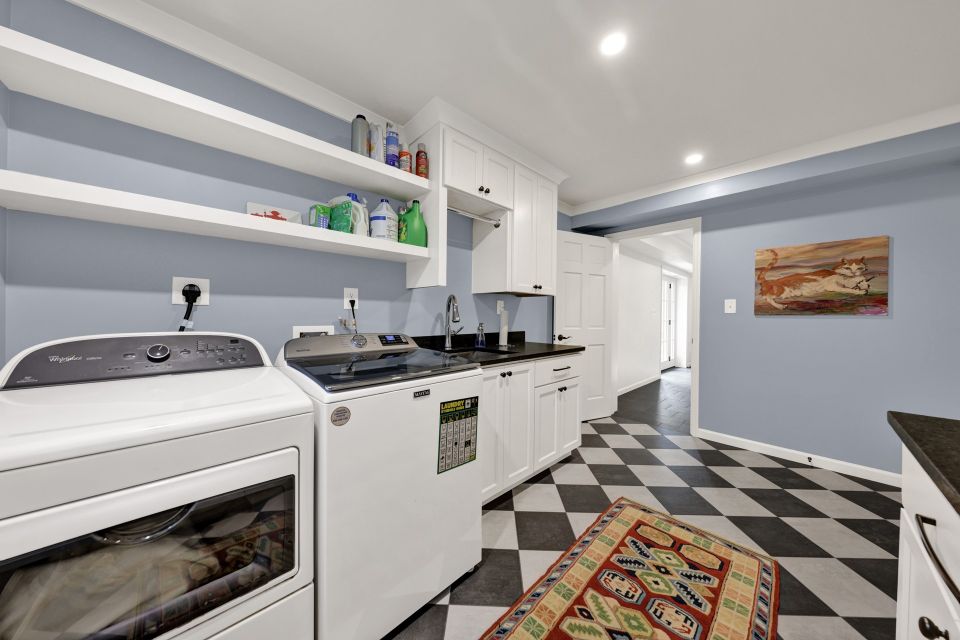
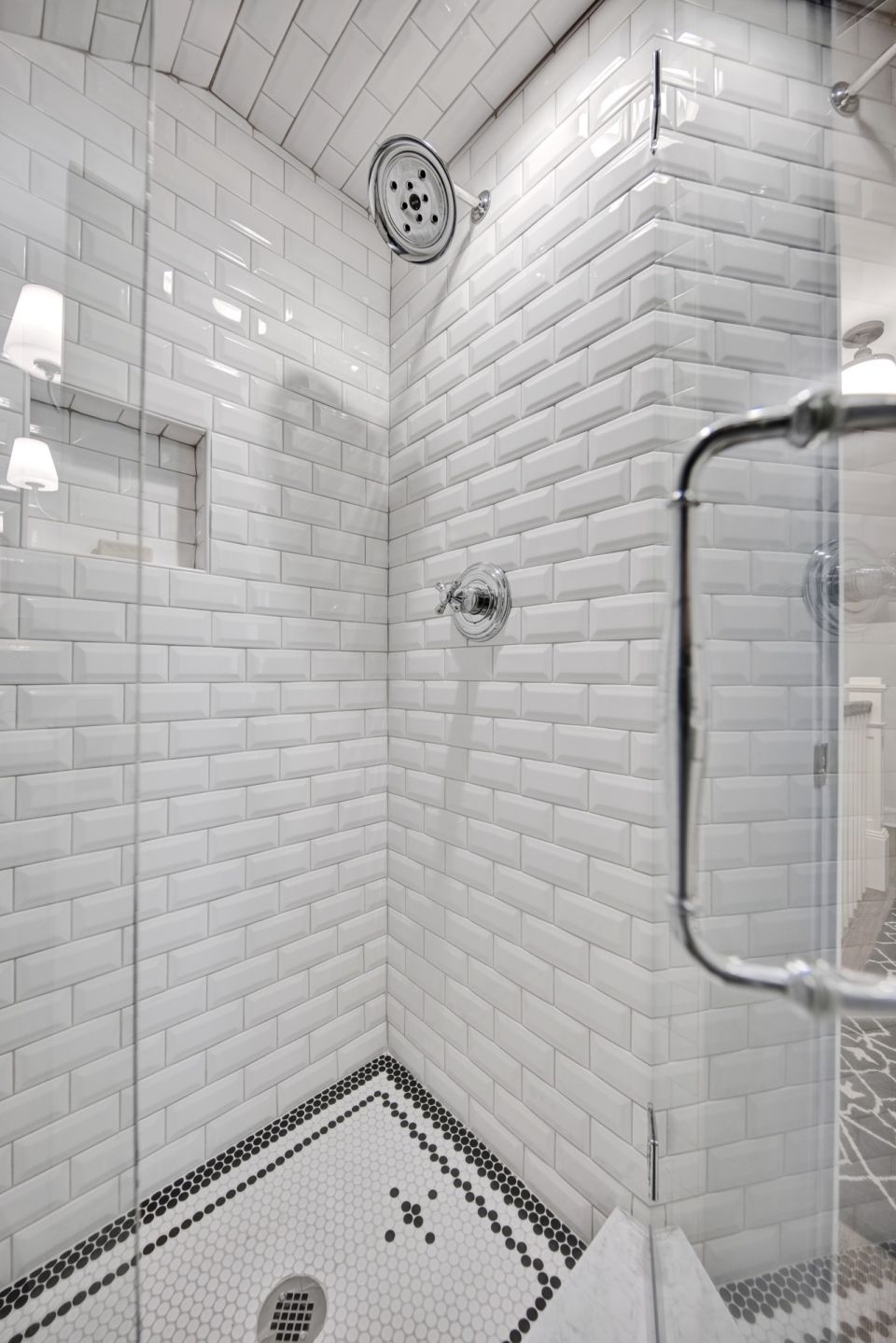
Our Fayard Project is a good example: a full interior and exterior renovation of an early 1900s home, where we restored the porch, kept the craftsman details and added a kitchen, bathrooms and finishes that work for a family today. Our clients often tell us the same thing about this kind of work – they did not want a new house, they wanted their old house to finally work.
What we check before we start
- Structure: sagging floors, settled foundations, undersized framing and past “improvements” that need correcting.
- Systems: old wiring, galvanized plumbing and HVAC that needs to be replaced or rerouted.
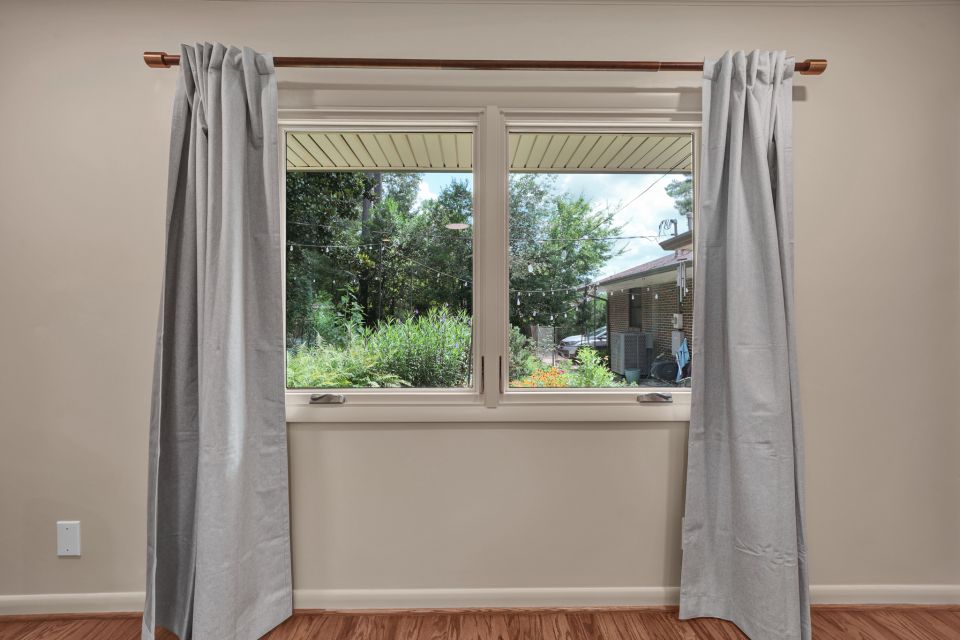
- Envelope: rotten siding and trim, windows that can be restored and re-glazed, chimneys and roofs.
- Rules: historic district review where it applies, permits and inspections.
Old and new, seamlessly
We match trim profiles, door styles and window proportions; we patch plaster or replace it where it makes sense; we refinish original hardwood floors and weave new boards into old ones. Additions follow the rooflines and materials of the original house. And when something cannot be saved, we tell you why and show you the best way forward.