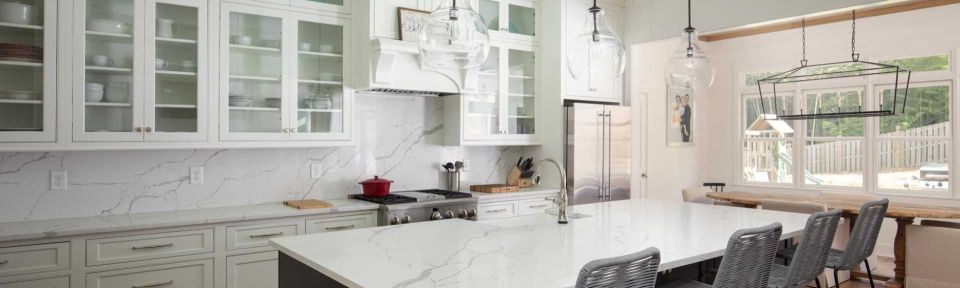
The Workspace - Selecting Surfaces for Performance, Durability, and Style
The surfaces in a chef's kitchen are the tactile interface for culinary creation. They must be relentlessly durable, impeccably hygienic, and aesthetically pleasing. The selection of countertops, flooring, and backsplashes involves a careful balancing of performance characteristics, maintenance requirements, and personal style.
The Countertop Conundrum: A Material Deep Dive
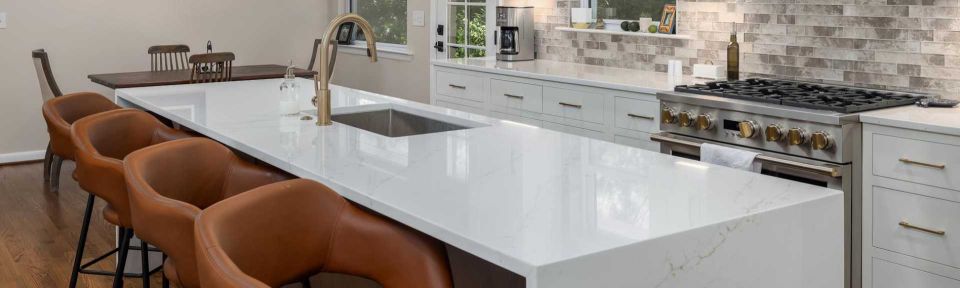
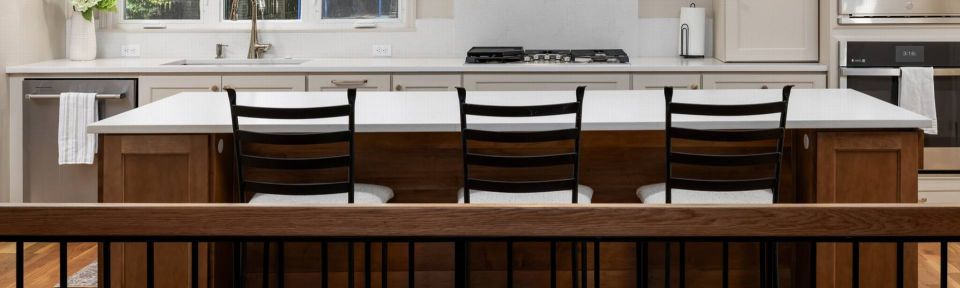
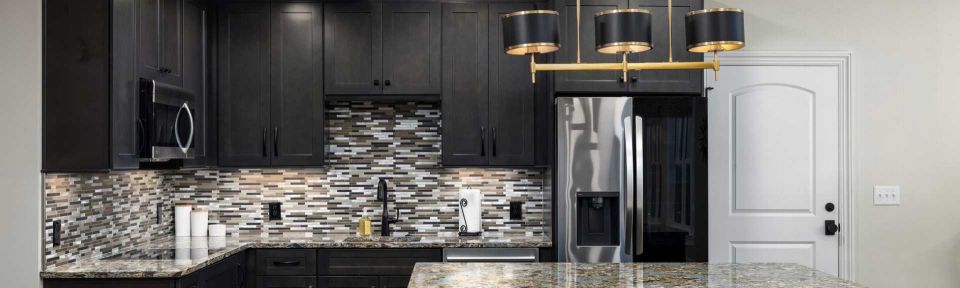
Countertops are the primary stage for all prep work and must withstand sharp knives, hot pans, and acidic spills. The choice of material is not merely aesthetic; it can define the functionality of different work zones. A sophisticated design might even employ multiple countertop materials, optimizing each surface for its specific task. For example, a section of stainless steel next to the range for heat resistance, a large butcher block on the island for chopping, and a cool marble slab in a dedicated baking zone for rolling pastry.
| Material | Durability | Heat Resistance | Stain Resistance | Maintenance | Hygiene (Porosity) | Cost (per sq. ft. installed) |
|---|---|---|---|---|---|---|
| Quartz | High (Mohs 7). Resistant to scratches & chips. | Good, but can be damaged by extreme heat. | Excellent. | Low. No sealing required. | Non-Porous. | $75 - $200 |
| Granite | High (Mohs 6-7). Very durable. | Excellent. Can place hot pans directly on surface. | Good, but porous and can stain if not sealed. | Medium. Requires periodic sealing (every 12-18 months). | Porous. | $70 - $175 |
| Sintered Stone | Very High. Resistant to scratches, chips, chemicals. | Excellent. Withstands very high temperatures. | Excellent. | Low. No sealing required. | Non-Porous. | High (more costly than quartz) |
| Stainless Steel | Good. Can scratch and dent. | Excellent. Impervious to heat. | Excellent. Impervious to stains. | Medium. Shows fingerprints; requires regular cleaning. | Non-Porous, Highly Hygienic. | $80 - $225 |
| Butcher Block | Medium. Prone to dents and scratches. | Poor. Sensitive to heat. | Fair. Can stain if not properly maintained. | High. Requires regular oiling. Can be sanded to repair. | Porous. | $30 - $100 |
| Concrete | High. Very strong but can crack. | Good. Heat-resistant. | Fair. Can stain if not properly sealed. | Medium. Requires sealing every 1-3 years. | Porous. | $65 - $135 |
Flooring Under Fire: Balancing Durability, Safety, and Comfort
A chef can spend many hours standing, so the kitchen floor must be more than just durable—it must also be safe and comfortable. This presents a critical trade-off: the hardest, most durable materials are often the most unforgiving on the body, while softer, more comfortable materials may require more maintenance or have a shorter lifespan. The ideal choice depends on the user's personal priorities, but a hybrid approach—using a highly durable material in high-traffic zones and a more comfortable material or anti-fatigue mats in primary standing areas—can offer the best of both worlds.
| Flooring Material | Durability & Scratch Resistance | Water Resistance | Comfort Underfoot | Maintenance | Relative Cost |
|---|---|---|---|---|---|
| Porcelain Tile | Excellent. Highly resistant to scratches, chips, and stains. | Excellent. Waterproof. | Low. Very hard surface. | Low. Easy to clean and sanitize. | $$ |
| Engineered Hardwood | Good. Varies by wood species and finish. | Good. Water-resistant but not waterproof. | Medium. More forgiving than tile. | Medium. Requires specific cleaners. | $$$ |
| Luxury Vinyl Plank (LVP) | Excellent. Highly resistant to dents and scratches. | Excellent. Waterproof. | High. Often has attached cork underlayment for warmth and cushioning. | Low. Very easy to clean. | $$ |
| Cork | Good. Naturally springs back from dents. | Good. Naturally water- and stain-resistant; should be sealed. | High. Very comfortable and provides sound reduction. | Medium. Can be refinished. | $$$ |
| Natural Stone | Excellent. Very tough and durable. | Good. Porous and requires periodic sealing to resist stains. | Low. Very hard surface. | Medium. Requires sealing and pH-neutral cleaners. | $$$$ |
The Backsplash: Where Function Meets Focal Point
The backsplash serves the dual purpose of protecting the walls behind the cooktop and sink from heat, grease, and water, while also acting as a primary aesthetic element in the kitchen. In a chef's kitchen, material choice should prioritize ease of cleaning.
- Slab Backsplash: For the ultimate in hygiene and a seamless, modern look, using a single slab of the same material as the countertop (such as quartz, granite, or sintered stone) is a popular high-end choice. This eliminates grout lines, which can trap grease and grime, making cleanup effortless.
- Tile: Tile offers endless design possibilities. Classic ceramic subway tiles are a timeless and affordable option. Glass tiles reflect light, making the kitchen feel brighter and more spacious. For a touch of drama, geometric patterns like hexagons or chevrons can create a stunning feature wall.
- Metal: A stainless steel backsplash, especially behind the range, offers an industrial, professional look and is unmatched for heat resistance and ease of cleaning. Warmer metals like copper or brass can add a luxurious, trendy touch, though they require more maintenance to prevent tarnishing.
- Exposed Brick: For a rustic or industrial aesthetic, an exposed brick backsplash adds texture and character. It must be properly sealed to protect it from grease and stains.
A growing trend is the full-height backsplash, where the chosen material extends from the countertop all the way to the ceiling or the bottom of the upper cabinets. This creates a bold, cohesive statement and maximizes the protected wall surface.
Check out our other blogs too
The Culinary Stage: A Comprehensive Guide to Designing the Perfect Residential Chef's Kitchen - Part 5
The Culinary Stage: A Comprehensive Guide to Designing the Perfect Residential Chef's Kitchen - Part 4
The Culinary Stage: A Comprehensive Guide to Designing the Perfect Residential Chef's Kitchen - Part 3
Loading...